
Introduction
Rome is not a single era—it’s a continuous section cut through time. As architects, we read cities by layers: street widths that never changed, reused stone with new joints, and façades that carry older proportions like a memory. This diary is organized as lenses—one chapter at a time—so you can move slowly and notice more.
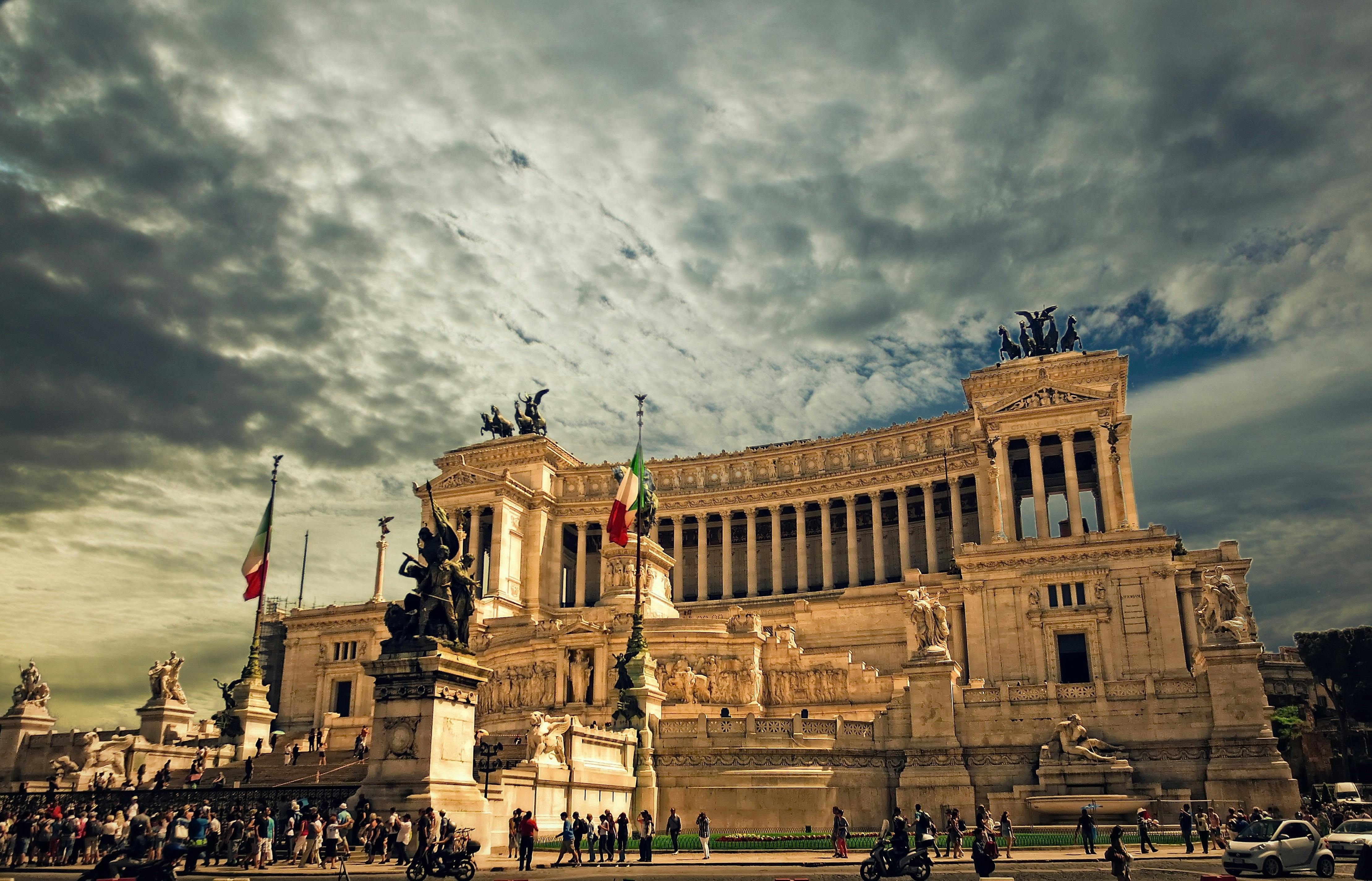
Rome’s scale: monumentality anchored to the pedestrian.
Guiding thought: in Rome, “beauty” is often just structure made visible—alignment, thickness, shadow depth, and the patience of materials.
Use the menu on the right to open a chapter. Only one stays on screen, like a page in a sketchbook.
Interior
Rome’s interiors often hide behind modest portals—then open into sequences of rooms that feel composed, not merely decorated. Watch thresholds: tight entry, sudden height change, softer light. It’s choreography. Comfort can be spatial—built through proportions, surfaces, and air.
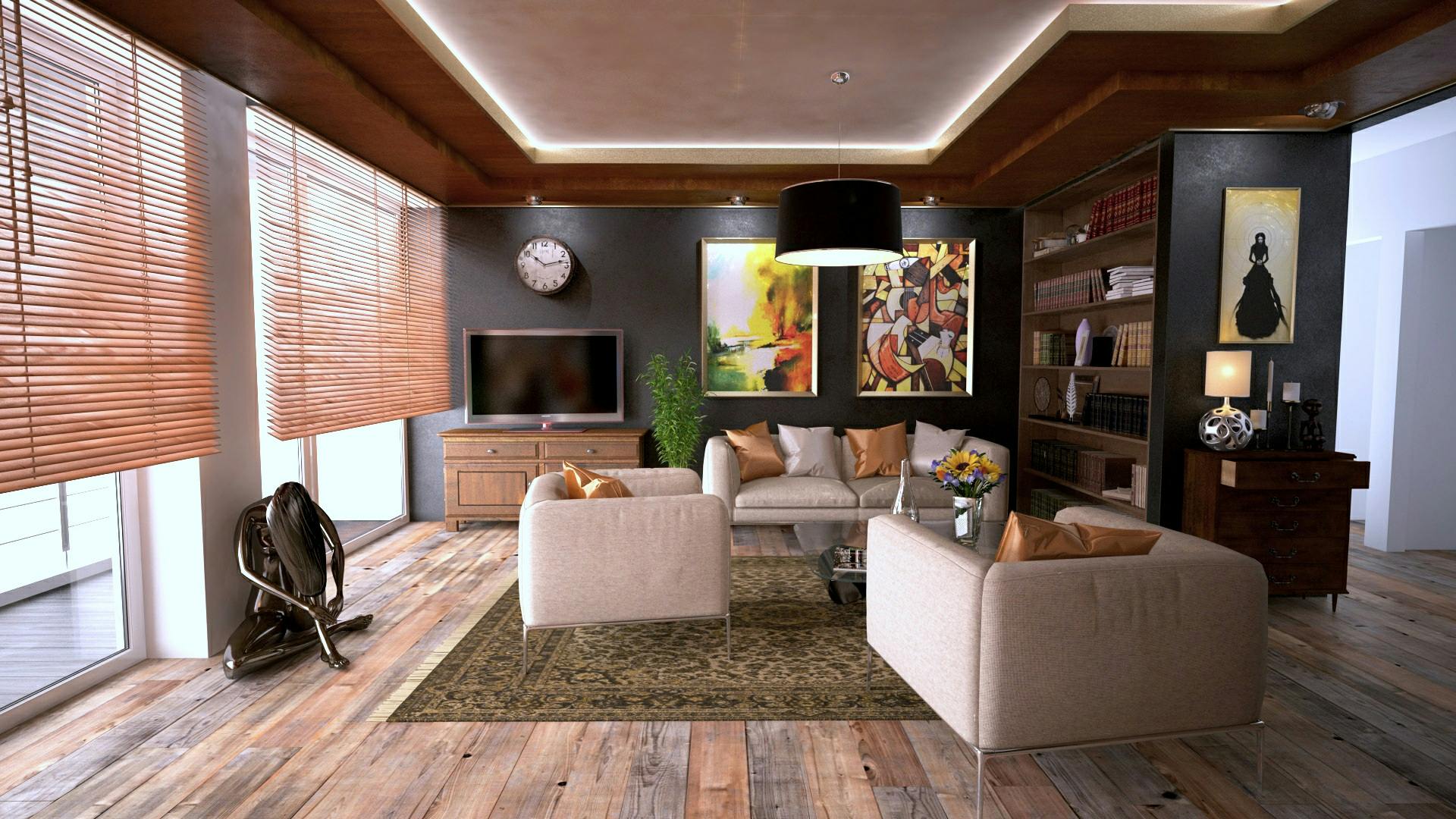
Soft daylight, layered textures, and the long logic of rooms.
Architect’s note: the most “modern” moments are often the quietest—one chair, one shadow line, one wall left blank to let geometry speak.
Look for restraint: limited palettes, repeated materials, and how plaster holds light. It’s less about ornament, more about atmosphere—how the room behaves at noon versus evening.
Exterior
The Roman street is a classroom in façade composition. Pilasters and cornices aren’t decoration; they scale the building to the pedestrian. Even in dense blocks, a façade can breathe through rhythm— window spacing, shadow depth, and deliberate variation.
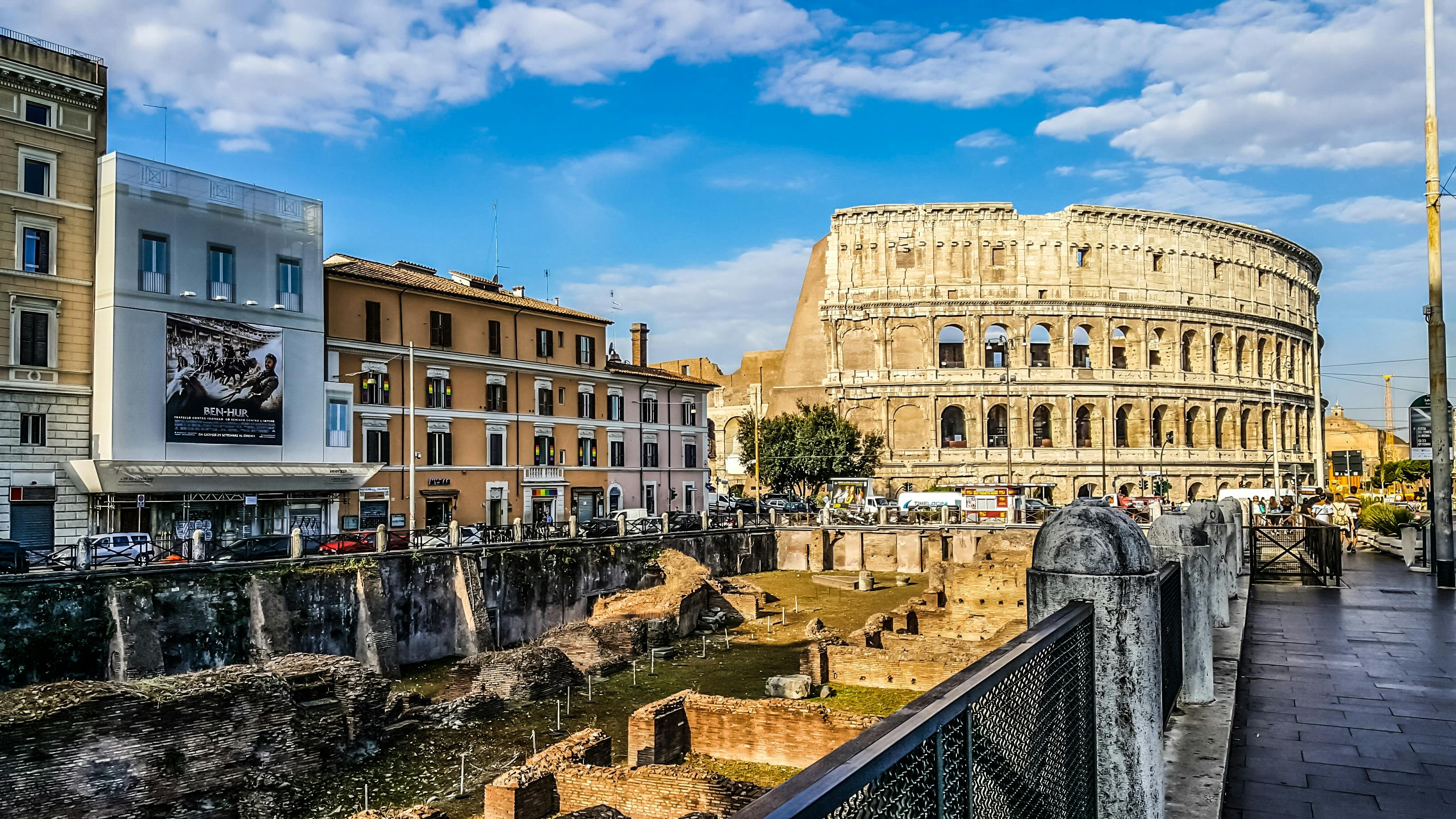
A street elevation: rhythm, depth, and the language of shadow.
Corners are urban punctuation—rounded, chamfered, or emphasized. Rome turns intersections into small events.
Landscape
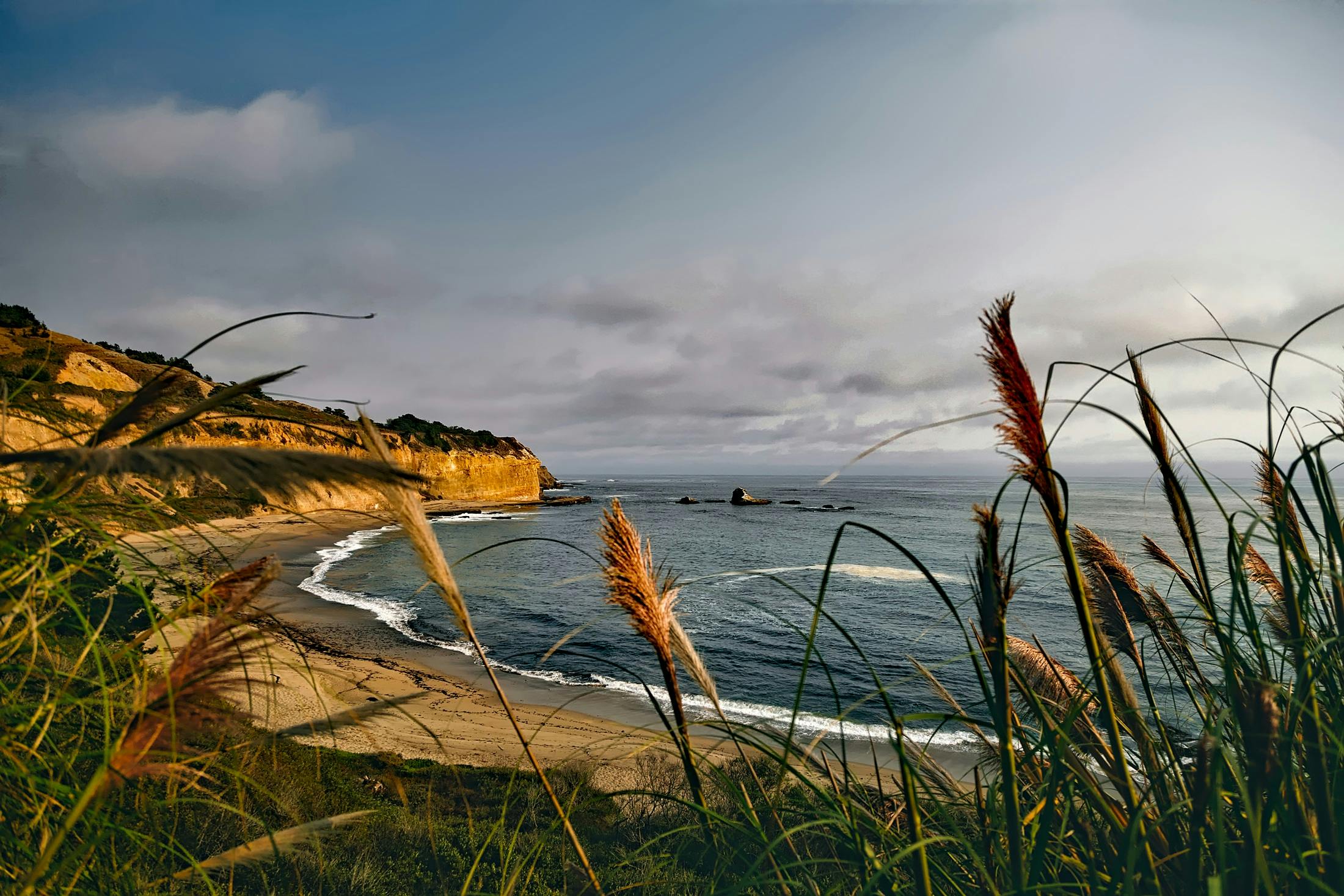
Rome’s landscape isn’t only parks—it’s terraces, steps, balustrades, and the way the city negotiates elevation. The best viewpoints are designed alignments—framed domes, axial paths, or a sudden opening.

Topography as design: steps, terraces, and framed perspectives.
Landscape is not background. It is structure—movement, pause, and view.
Art
In Rome, art is integrated into architecture—altars, niches, courtyards, and ceilings designed as settings. “Display” is spatial: light direction, approach path, and the distance at which form is read.
Art lives in spatial intention: approach, light, and scale.
Sketch relationships—how a column meets a vault, how a painting sits inside a wall.
Heritage
Heritage in Rome isn’t frozen. It’s layered, repaired, repurposed, and continuously negotiated. The city is full of honest seams—where old meets new without pretending to be seamless.

Layers of time: reuse, repair, and visible seams.
The best restorations don’t imitate—they clarify. They let the original speak, while the intervention stays legible.
Hotels
Choose hotels like you choose buildings: by light, material honesty, and how circulation is handled. The most satisfying stays are where contemporary details respect the historic shell—clean lines against patina, warm textures against stone, calm lighting that doesn’t fight the space.
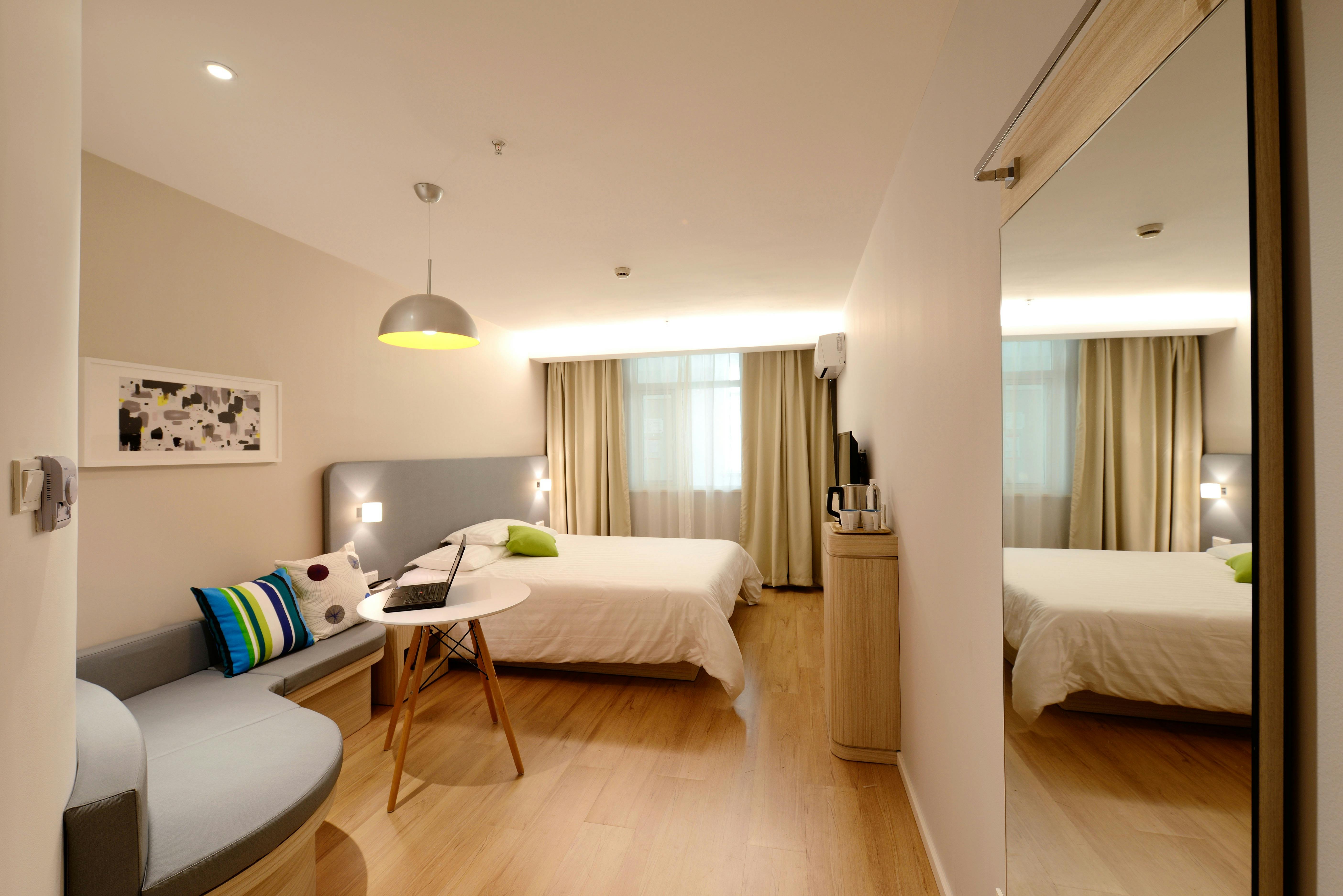
A good hotel feels edited—materials, light, and silence.
Restaurants
Rome’s best restaurants understand density: tables close, voices layered—yet comfort remains. The secret is acoustic softness, warm lighting, and surfaces that age well. A restaurant is an interior section: floor, wall, ceiling—each doing a job.
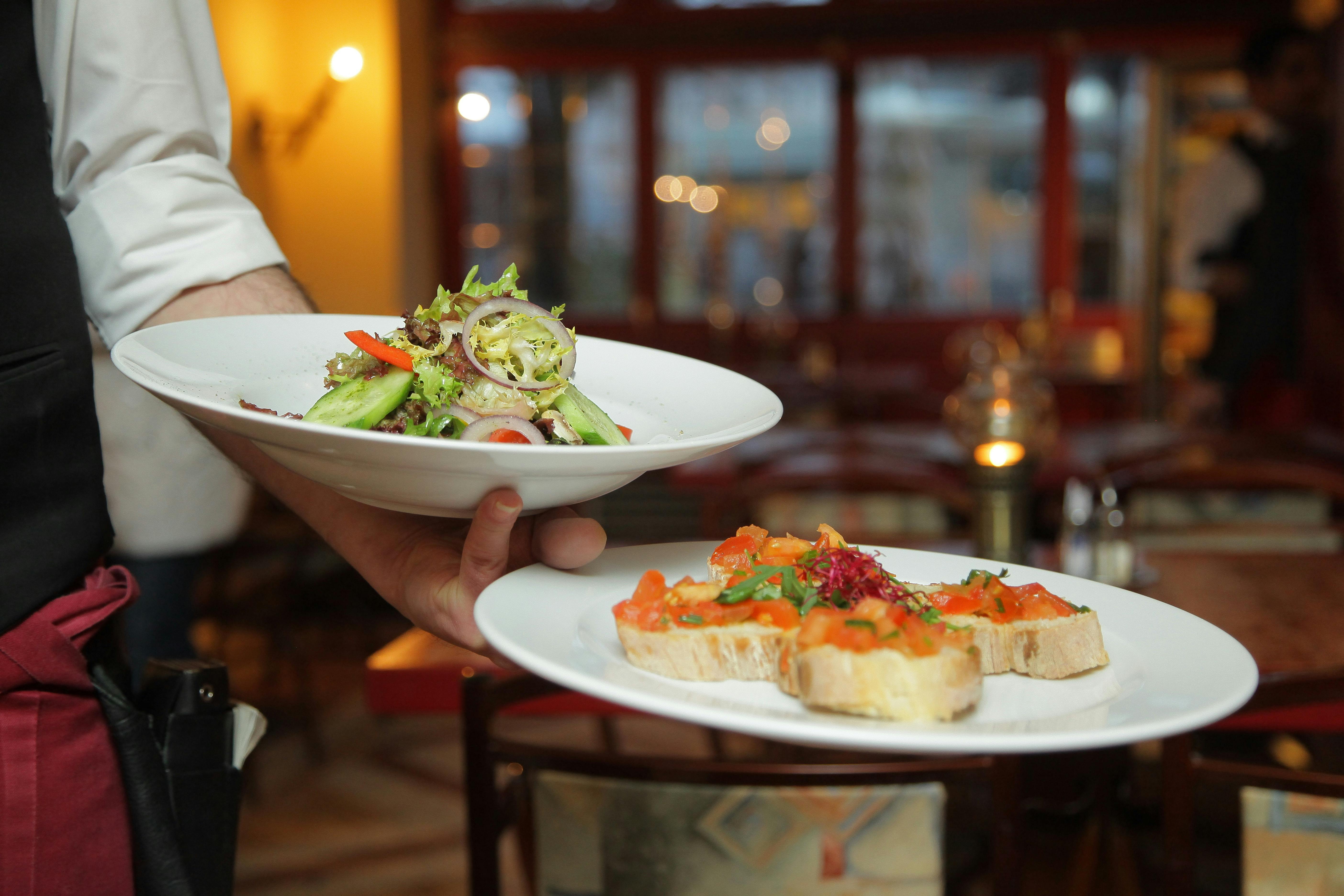
Hospitality design: glow, acoustics, and lived-in materiality.
Museums
Museums in Rome teach sequence. Great galleries are paced experiences. Watch transitions: narrow to wide, low to high, dim to bright. This is spatial storytelling.
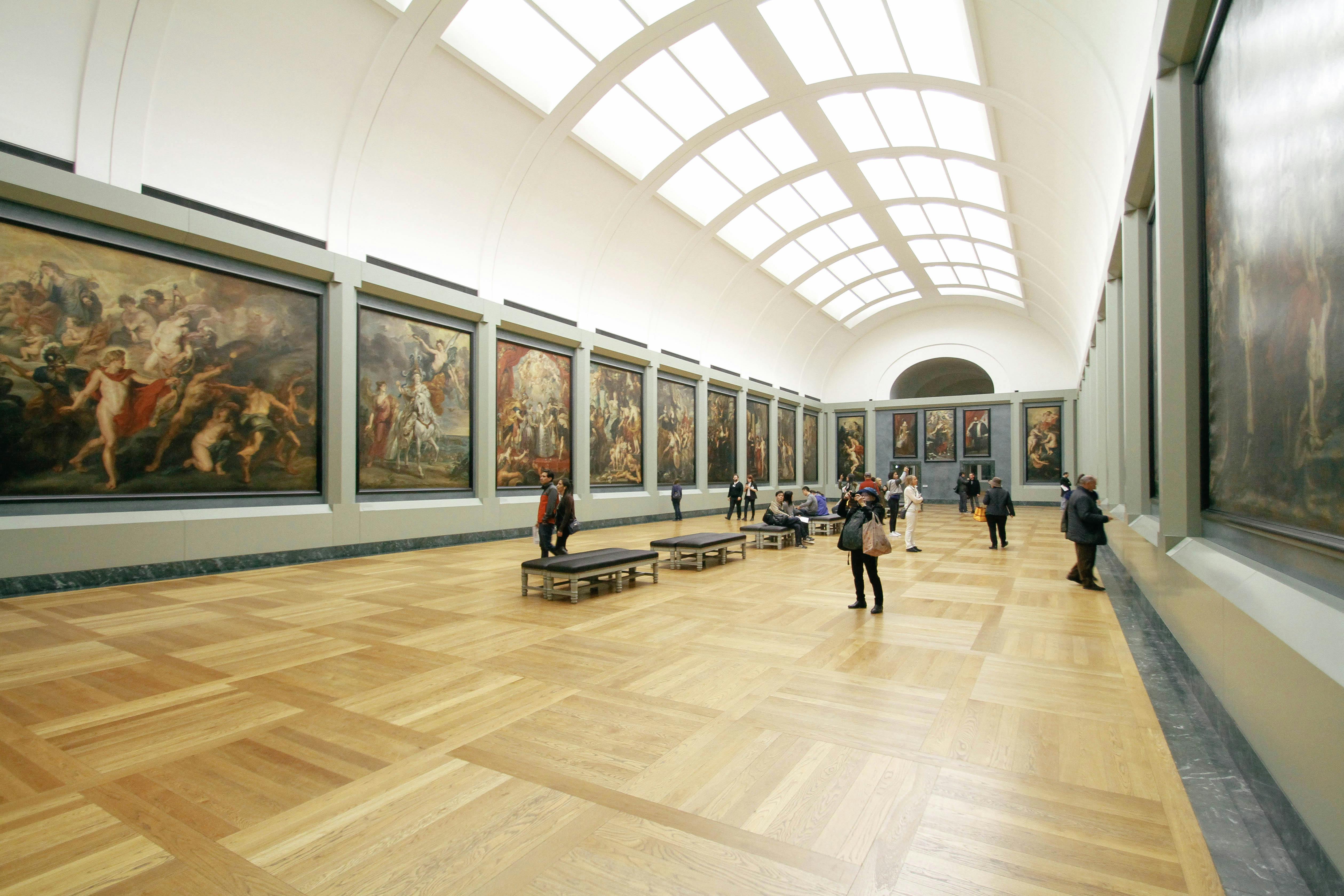
Curatorial rhythm: compression, release, and the long corridor.
Stories in Stones
Rome is written in stone: tool marks, patched surfaces, inscriptions half-worn by hands. You can read a building’s biography—where it cracked, where it was repaired, where it changed use. These are not imperfections; they’re documentation.

Time as a finish: wear patterns and repair lines.
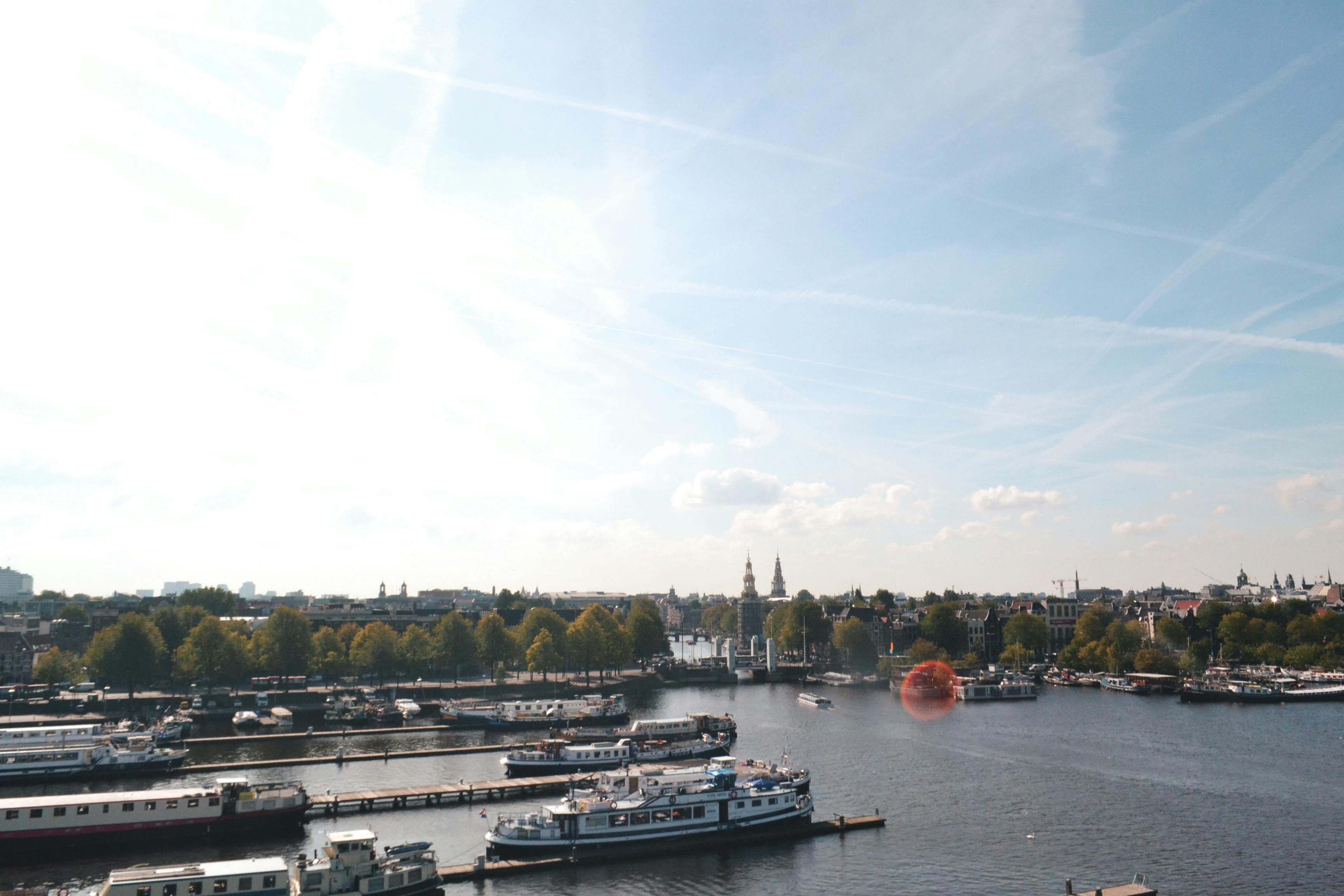
Where to Go & What to See
Walk early. Start with a long axis—an avenue, a river edge, a sequence of piazzas—and let the city edit your route. Rome rewards slow circulation: alignments, repeated proportions, and how public space holds people.
A simple architect’s itinerary: one monument, one neighborhood, one museum, one café—then repeat. The pattern builds memory without overload.
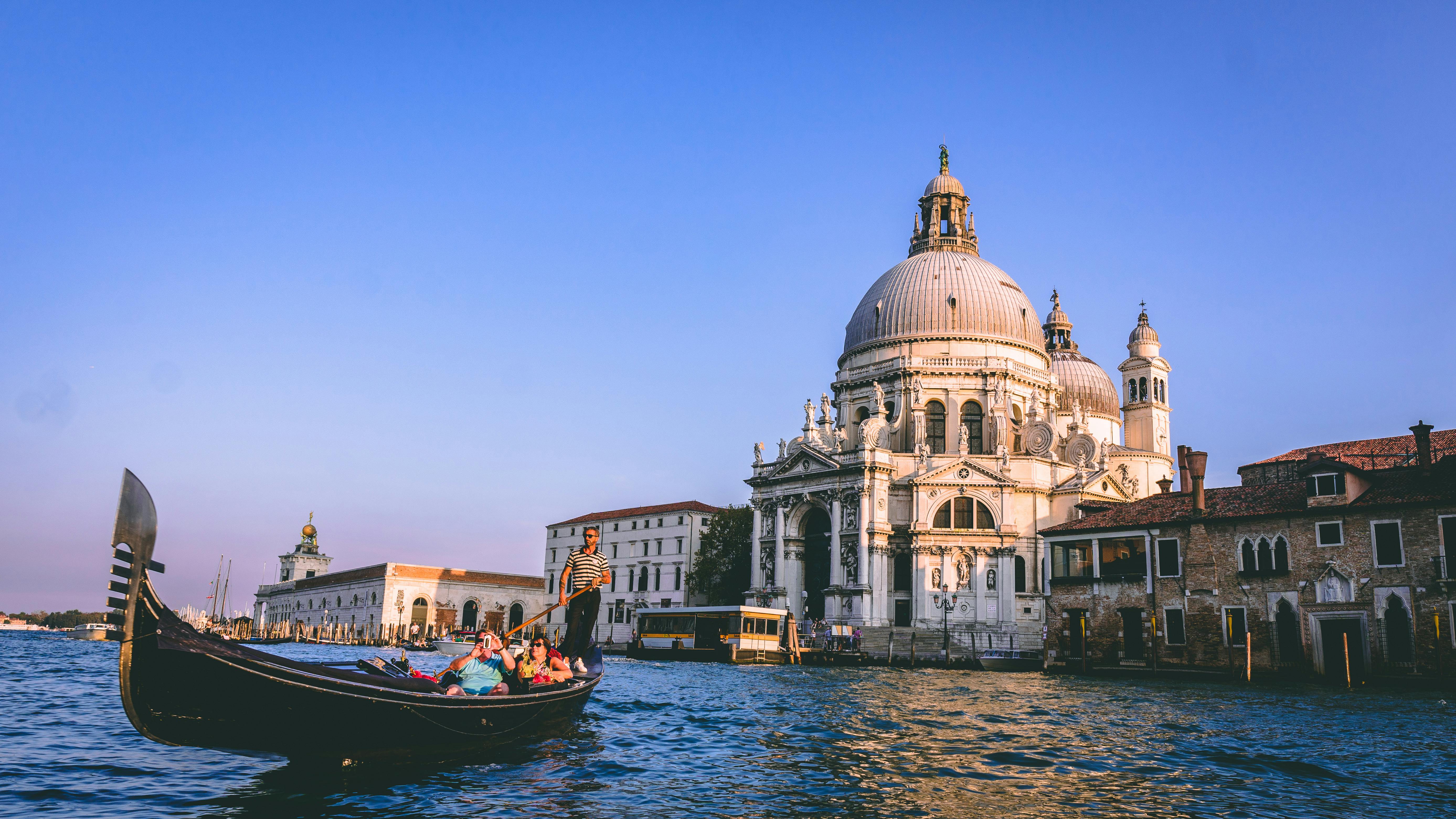
Scale, shadow, and the long street.
Cultural Observations
Rome’s culture is spatial: conversation happens at thresholds, on steps, at corners—micro-stages for daily life. Public space is a central room of the city. Notice how informal seating and shade create community without signage.
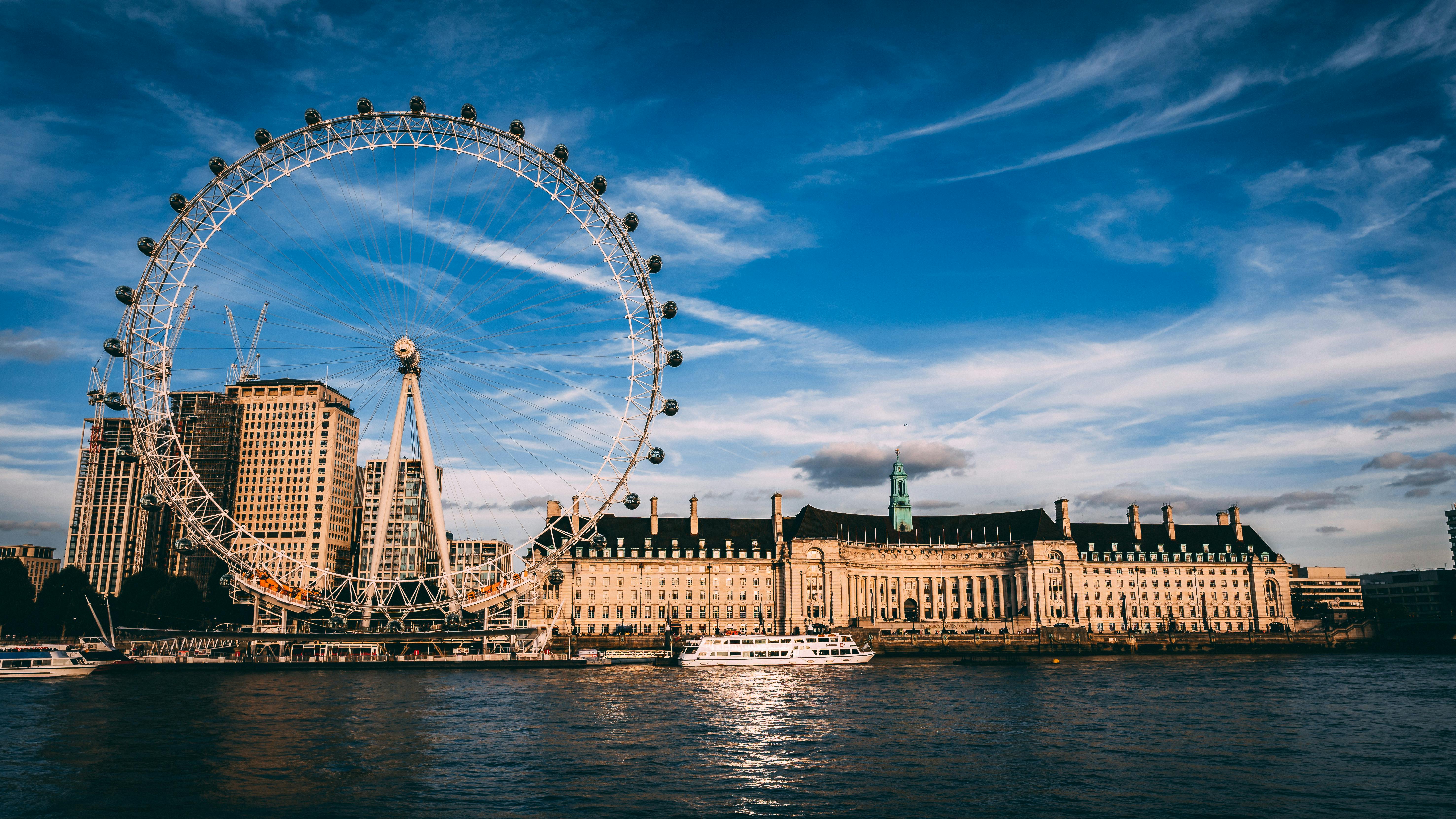
Public life as design outcome: shade, edges, and pause points.
Updates, Letters & Postcards
This post is a living diary. Each return to Rome adds another layer—new light, new restorations, new cafés, new conversations. The goal is not to complete the city, but to keep learning from it.
Add your own notes: one detail you touched, one proportion you measured with your steps, one shadow you photographed because it explained the façade better than the façade itself.